Mark Taylor
Foundations in Fine Arts
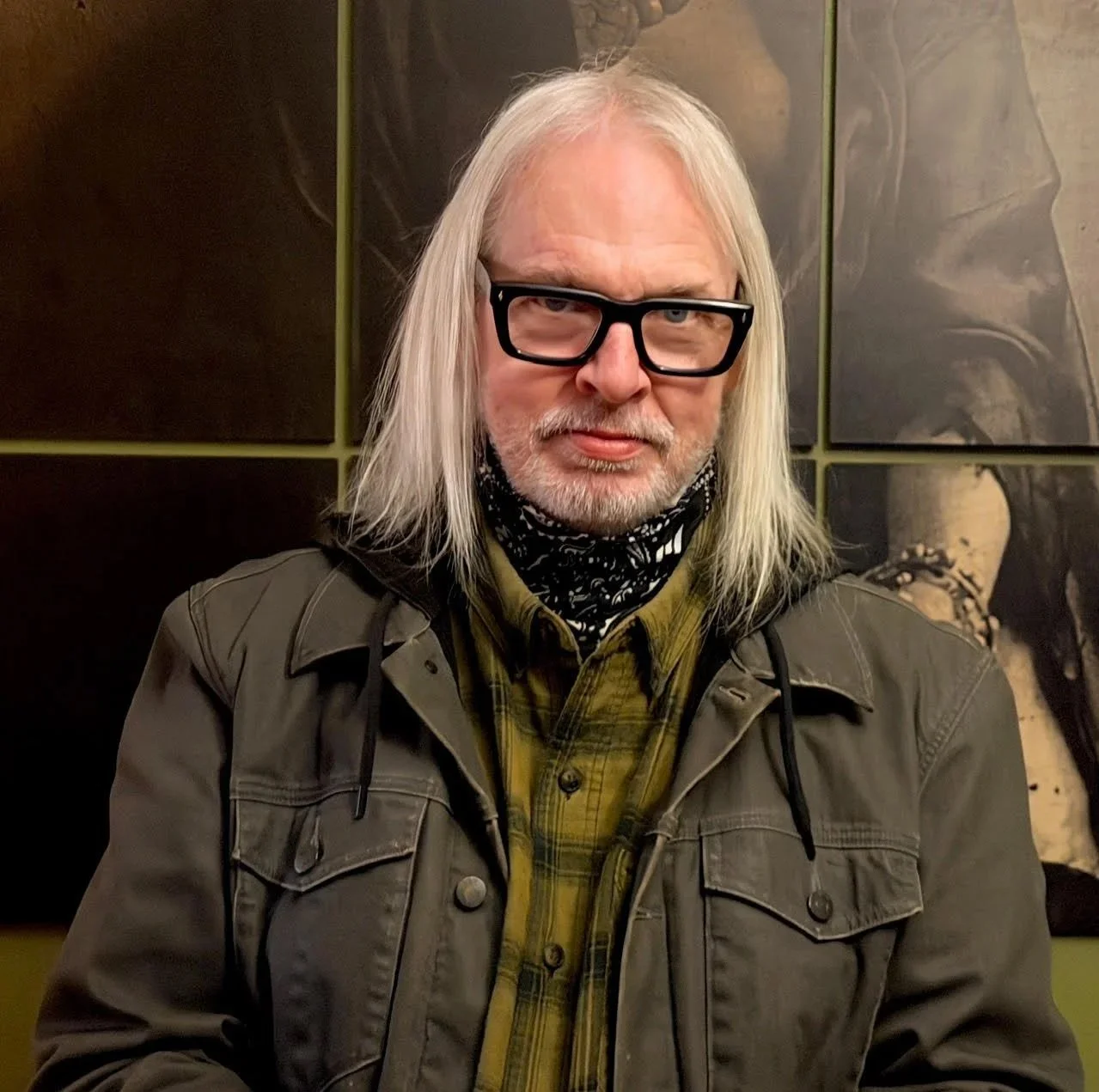
I studied at the School of the Art Institute of Chicago, where I learned early that you can teach the mechanics of painting, but not how to be a painter. You can teach composition, color theory, art history - important, necessary things - but creativity itself can’t be transferred.
Figure drawing came closest. There, everything depended on form and line - on restraint, balance, and the ability to see what was already there. I took what the school could give me and carried it forward.
I never stopped working. Decades of daily making led first to furniture, where shape, negative space, and function coexist uneasily.
Turning and the Revelation of Subtraction
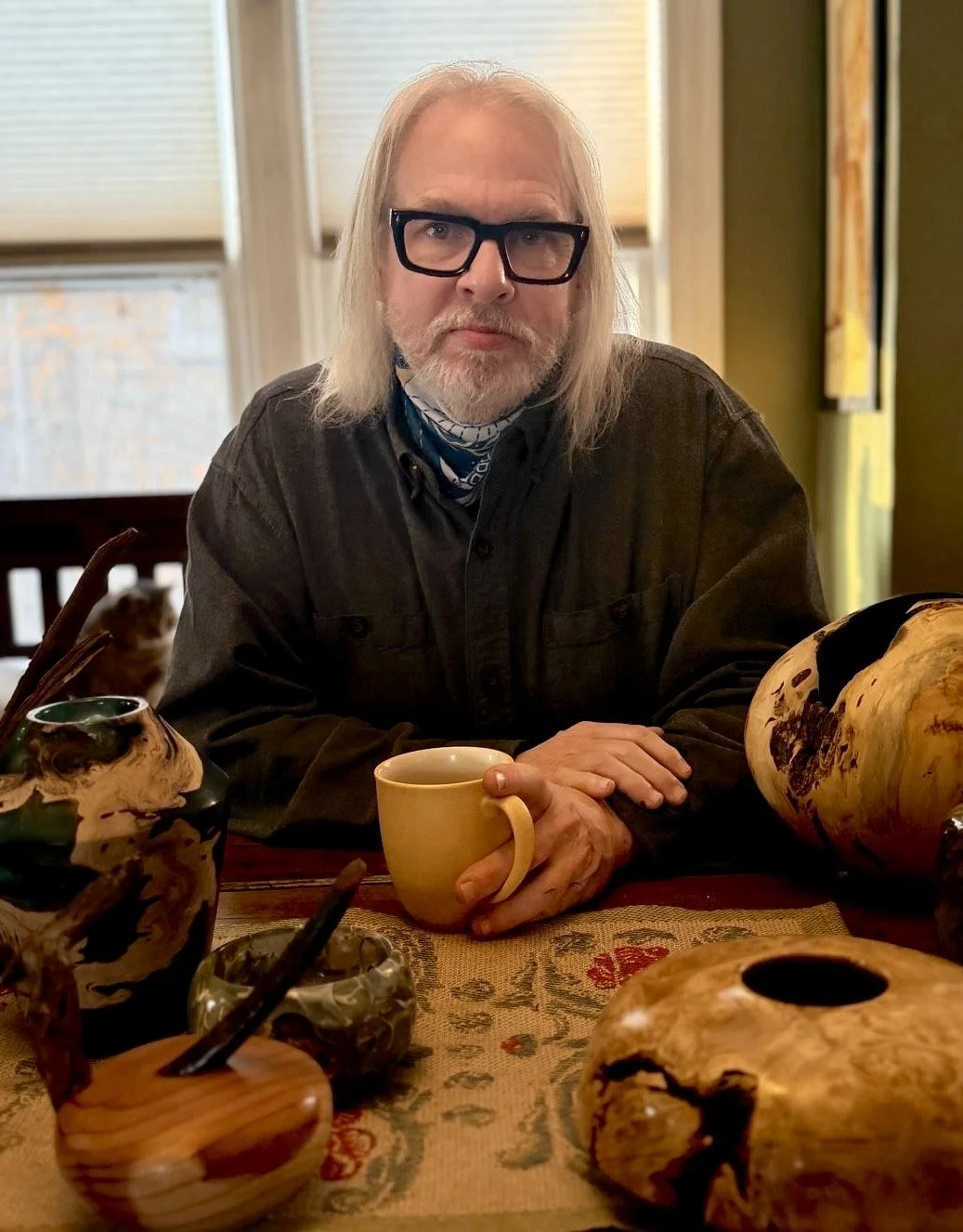
It wasn’t until I bought a small lathe - only to turn table legs—that something shifted. The revelation was subtraction. I never made furniture again.
Turning taught me that form isn’t invented. It’s released.
The Work, Wabi-Sabi, and What Remains
The tree lived and gave without witness. I don’t erase its scars; I reveal them. Cracks, voids, and uneven edges aren’t corrected—they’re acknowledged. Epoxy doesn’t hide fracture; it honors it. The wood resists fixed ideas, and I’ve learned to listen.
An encounter while studying in Japan - particularly with calligraphy - clarified what I was already practicing: balance, structure, and restraint. One gesture. Nothing added. Nothing explained.
This work aligns naturally with Wabi-Sabi - an acceptance of the asymmetrical, the weathered, the incomplete. A tree does not strive for perfection. Neither does my turning.
What remains is what was always there.
At Home
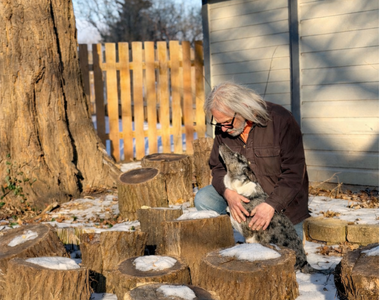
Mark’s home studio is in Three Rivers, MI, where he lives with his beautiful wife, Tammy, five cats, and an ever-growing, increasingly uncontrollable collection of art and 20th-century memorabilia. When he is not in his shop, he enjoys going on adventures with Tammy and spending time with his children, Liam, Gret, and Amelia, along with their spouses and his three granddaughters, Ingrid, Cosette, and Frida. He is a very happy guy.
I have learned not to arrive with answers. The wood holds its own memory, its own intention. The form is discovered, never decided.